LEADERSHIP
Through my participation in the Leadership Lecture Series at Old Dominion University, I developed important professional skills that directly support my growth as a future civil engineer. The Leadership Lecture Series is designed to provide students with leadership-focused programs each semester to help build leadership abilities and prepare for professional success.
One key skill I developed was leadership. Through sessions such as “Crafting Leadership Styles,” I learned that leadership is about setting an example and positively influencing others. These sessions helped me understand different leadership styles and how they can be applied in real-world situations. This is especially important in civil engineering because engineers must lead teams, coordinate with others, and ensure projects are completed safely and efficiently.
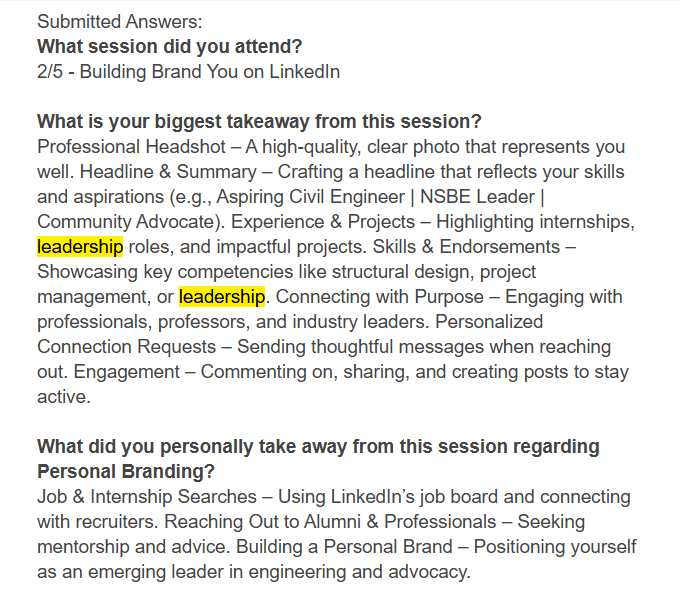
Another important skill I gained was professional communication and personal branding. In the “Building Brand You on LinkedIn” session, I learned how to present myself professionally through a strong profile, clear summary, and highlighting my skills and experiences.
I also learned the importance of networking, connecting with professionals, and maintaining an active presence. These skills are important in engineering because communicating your skills and building connections can lead to internships, job opportunities, and professional growth.
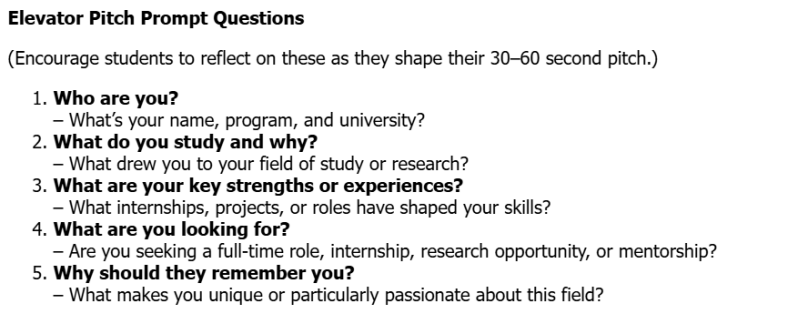
Additionally, the “Transitioning to Industry: Crafting Your Résumé, Cover Letter, and Career Strategy” session helped me develop career preparation skills. I learned how to build a strong resume, communicate my experience effectively, and prepare for entering the workforce. This showed me how important it is to clearly present my technical and leadership abilities to employers. Through these experiences, I recognized my strengths, including my work ethic, adaptability, and willingness to learn. At the same time, I identified areas for improvement, such as continuing to build confidence in professional settings and further developing my technical expertise. All of these skills come together as part of my emerging professional identity as a civil engineer.

Leadership, communication, and professionalism are critical in this field because engineers must solve problems, work in teams, and clearly communicate ideas and designs.
I plan to apply these skills in my career by working effectively with others, building strong professional relationships, and continuing to improve both my technical and leadership abilities. Overall, these experiences have prepared me to transition from a student to a professional and have strengthened my readiness for a career in civil and structural engineering.